Sustainable Fishing: What UK Consumers Should Know
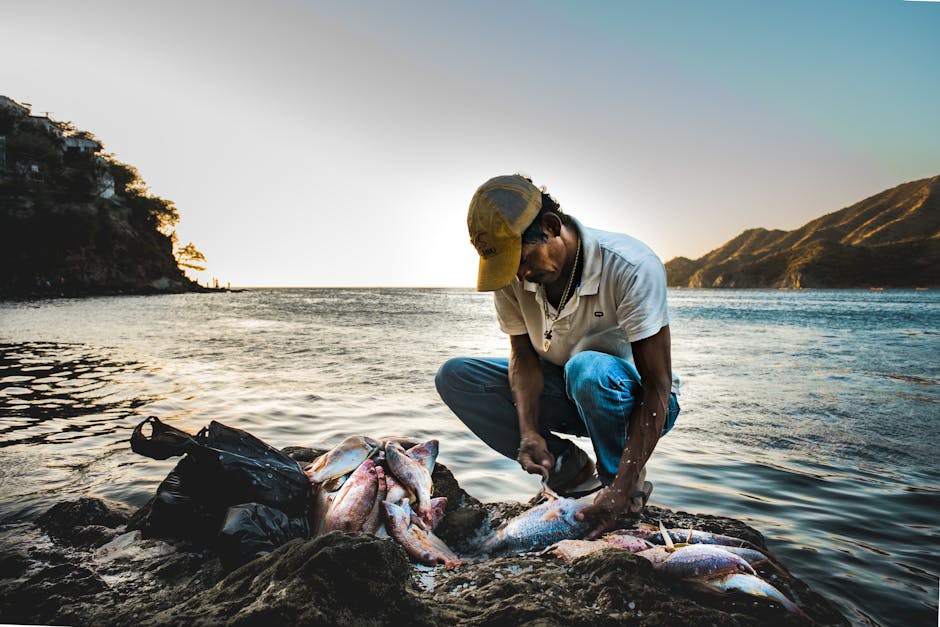
The UK has a long fishing tradition, but our seas face real pressure from overfishing and unsustainable practices. As a consumer, your choices directly influence how the industry operates. Understanding sustainability labels and fishing methods helps you support responsible seafood production.
The MSC Certification Matters
The Marine Stewardship Council (MSC) blue label is the gold standard for sustainable fishing in the UK and beyond. MSC-certified fisheries follow strict rules: they don't overfish stocks, they minimise environmental impact, and they're properly managed. When you see this label, you're buying from a fishery that's been independently audited.
Fish Stocks Under Pressure
Some of our traditional species like Atlantic cod have been heavily overfished. When we take fish faster than they can reproduce, populations collapse. This affects not just the species we're targeting, but entire ecosystems that depend on them. Choosing less popular species and seasonal fish helps reduce pressure on vulnerable stocks.
Bycatch and Habitat Damage
Not all fishing methods are equal. Bottom trawling—dragging heavy nets across the sea floor—destroys habitats and catches unwanted species that are often discarded. Line and trap fishing methods are far more selective and cause minimal environmental damage. Ask your fishmonger about fishing methods when possible.
Know Your Local Fish
Supporting UK fisheries means shorter supply chains and fresher fish. Mackerel, herring, and pollock are abundant around British waters and can be caught sustainably. Choosing local also supports coastal communities that depend on fishing.
Farmed vs. Wild
Farmed fish can be sustainable if managed well, but poor farms pollute local waters and spread disease to wild populations. Look for farmed fish from certified producers. Wild-caught isn't automatically better—it depends entirely on the fishery management.
Seasonal Eating Supports Sustainability
Eating fish when it's naturally abundant in our waters reduces pressure on stocks and is fresher and cheaper. Winter is prime time for cod and haddock, while summer brings mackerel and sea bass.
Ask Questions at the Counter
Good fishmongers can tell you where their fish comes from and how it was caught. If they can't answer these questions, consider shopping elsewhere. Transparency is a sign of ethical practice.
Making sustainable choices doesn't mean eating less fish—it means eating smarter. Your purchases vote for the kind of fishing industry you want to support.