How to Choose Fresh Fish at the Market
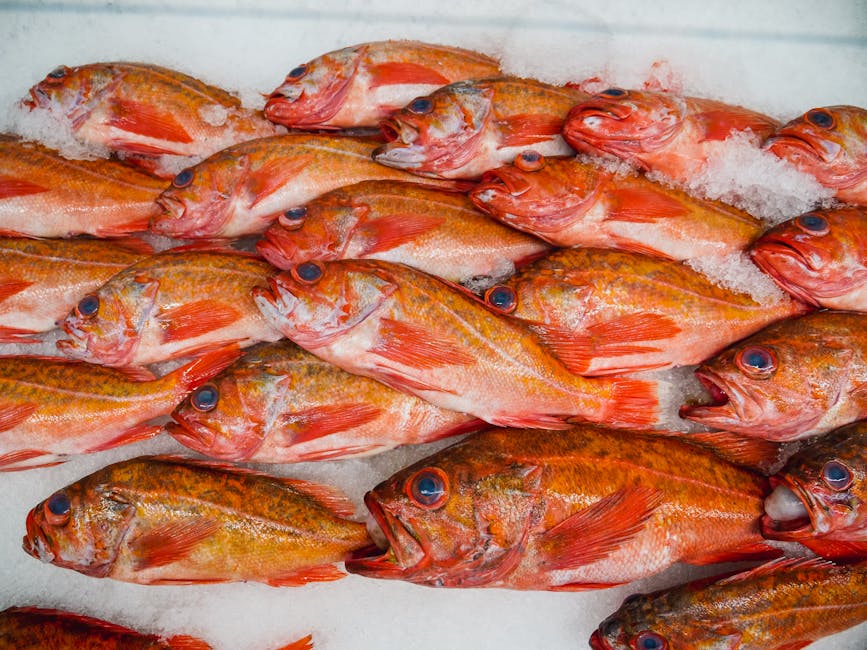
Choosing fresh fish can feel intimidating if you don't know what to look for, but it's simpler than you might think. Whether you're shopping at a traditional fishmonger or a supermarket counter, a few basic checks will help you pick the best quality seafood every time.
Check the Eyes and Gills
Fresh fish should have clear, bright eyes that bulge slightly. Dull or sunken eyes are a sign the fish has been sitting around for days. Lift the gill flap gently if the fishmonger allows it. The gills should be bright red or pink, never brown or grey. This is one of the most reliable indicators of freshness.
Feel the Flesh
Press your finger gently against the fish's body. The flesh should feel firm and spring back immediately. If your finger leaves an indent that doesn't bounce back, the fish is past its prime. The skin should also look shiny and slightly slippery, not dull or dried out.
Trust Your Nose
Fresh fish smells like the sea—briny and clean. If it smells strongly of ammonia or "fishy," it's old. Many people avoid fish because they've only experienced poorly stored specimens. Good fresh fish shouldn't have an unpleasant odour at all.
Ask Your Fishmonger
A good fishmonger is your best resource. Ask when the fish arrived, where it came from, and how long it's been on display. They should be happy to answer these questions and may even recommend the best options for what you're planning to cook.
Check the Packaging
If buying pre-packaged fish, look for clear liquid in the tray. A little moisture is normal, but excessive liquid suggests the fish has been thawing and refreezing. The packaging date should be recent, and there should be no ice crystals visible, which indicate freezer burn.
Seasonal Considerations
Buying seasonal fish is often fresher and better value. UK fish like mackerel, sea bass, and cod are at their best during specific times of year. Your fishmonger can advise on what's in season and at its peak.
Plan Your Cooking
Buy fish as close to cooking time as possible. Ideally, use it the same day or the next morning. If you need to store it, keep it on the bottom shelf of your fridge in the coldest part, away from other foods.
Building a relationship with a quality fishmonger takes the guesswork out of seafood shopping. They'll help you discover new varieties and ensure you're always getting the freshest catch available in your area.